Marrakech is one of Morocco’s most captivating destinations. Known as the Red City, it combines historic palaces, lively markets, peaceful gardens, traditional architecture and unforgettable local experiences.
Whether you are visiting Marrakech for a weekend or using the city as the starting point for a longer journey across Morocco, there are many fascinating places to discover. From the energy of Jemaa el-Fna to the beauty of Bahia Palace and the colorful alleys of the Medina, every part of Marrakech offers something different.
This guide presents 10 of the best things to do in Marrakech, including cultural attractions, local experiences and practical ideas for making the most of your stay.
Experience Jemaa el-Fna
Jemaa el-Fna is the lively heart of Marrakech and one of the city’s most famous attractions. Located at the entrance to the Medina, this historic square changes throughout the day.
In the morning and afternoon, you will find fresh orange juice stalls, local merchants and traditional performers. As evening approaches, the square becomes a large open-air food market filled with Moroccan dishes, grilled meats, soups and sweets.
For one of the best views, visit a rooftop café overlooking the square shortly before sunset. You can watch the market come alive while enjoying Moroccan mint tea.
Jemaa el-Fna can become very crowded, so keep your personal belongings secure and always confirm prices before ordering food or services.
Visit Bahia Palace
Bahia Palace is one of the most impressive historical monuments in Marrakech. Built during the nineteenth century, the palace was designed to be one of the finest residences of its time.
Visitors can explore decorated courtyards, peaceful gardens, carved wooden ceilings and colorful Moroccan mosaics known as zellige. The palace provides an excellent introduction to traditional Moroccan craftsmanship and architecture.
It is best to visit early in the morning, when the palace is generally quieter and the temperature is more comfortable. Allow approximately one to two hours to explore the main rooms and courtyards.
Explore the Marrakech Souks
The souks of Marrakech form a large network of narrow streets and traditional markets inside the Medina. Exploring them is one of the most memorable experiences in the city.
Different sections of the souks specialize in products such as carpets, leather goods, spices, lanterns, ceramics, jewelry, clothing and handmade decorations. You may also see artisans working inside small workshops using traditional methods.
Bargaining is a normal part of shopping in many souks. Begin with a lower offer, remain polite and negotiate only when you are genuinely interested in buying the product.
It is useful to carry some Moroccan dirhams because not every shop accepts bank cards. The streets can be confusing, so use an offline map or remember important landmarks near your accommodation.
Discover the Majorelle Garden
The Majorelle Garden is one of the most recognizable attractions in Marrakech. It offers a peaceful contrast to the busy streets and markets of the Medina.
The garden contains exotic plants, bamboo paths, fountains, cactus collections and buildings painted in a distinctive intense blue. The combination of vegetation, architecture and color makes it especially popular with photographers.
The garden was originally created by French painter Jacques Majorelle and was later restored by Yves Saint Laurent and Pierre Bergé.
Because the attraction can become busy, it is recommended to reserve your ticket in advance and visit early in the day. Take your time walking through the paths and observing the variety of plants and architectural details.
Walk Around the Koutoubia Mosque
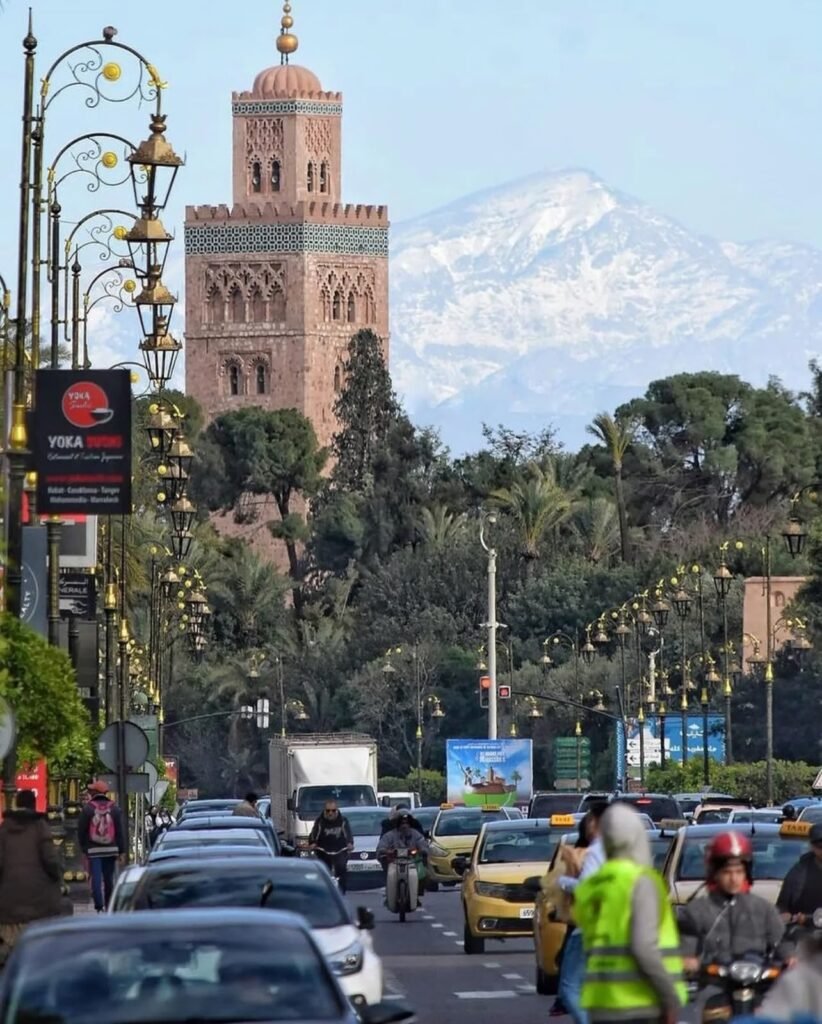
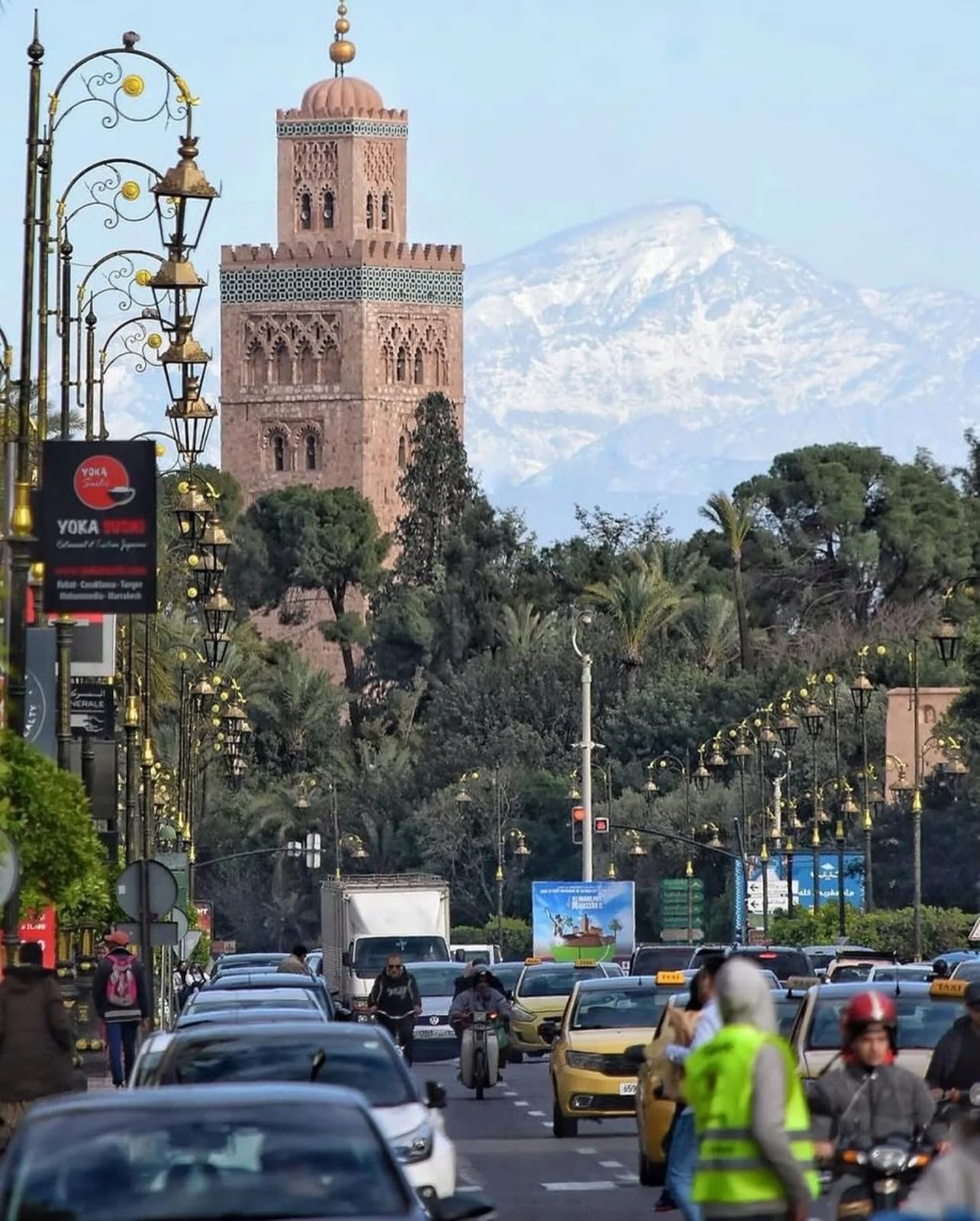
The Koutoubia Mosque is the largest mosque in Marrakech and one of the city’s most important landmarks. Its minaret can be seen from several areas around the Medina.
Non-Muslim visitors cannot enter the mosque, but the surrounding gardens and public spaces are open to everyone. The area is suitable for a calm walk and offers several good viewpoints for photographing the minaret.
The Koutoubia is particularly beautiful in the late afternoon and around sunset, when the warm light highlights the color of the stone.
It is located close to Jemaa el-Fna, so both places can easily be included in the same itinerary.
Walk Through the Historic Medina
The historic Medina is the old center of Marrakech. It is surrounded by traditional walls and contains narrow streets, local markets, traditional houses, workshops, cafés and important monuments.
Walking through the Medina is one of the best ways to observe everyday life in Marrakech. Away from the busiest streets, you may discover neighborhood bakeries, small public fountains, quiet courtyards and local shops.
The Medina can be confusing for first-time visitors because many streets appear similar. Using an offline map is helpful, but a guided walking tour can provide more historical and cultural context.
Wear comfortable shoes because the streets are often uneven, and allow yourself enough time to explore without rushing.
Relax in a Traditional Moroccan Hammam
A traditional hammam is an important part of Moroccan culture and a relaxing experience after a long day of sightseeing.
There are two main types of hammams in Marrakech. Public neighborhood hammams provide a simple and more local experience, while private spa hammams offer additional comfort, professional treatments and private rooms.
A typical hammam treatment may include steam, traditional black soap, exfoliation using a special glove and a massage with Moroccan oils.
Before booking, confirm exactly what is included in the price. Some locations provide towels and personal products, while others expect visitors to bring their own items.
Visit the Saadian Tombs
The Saadian Tombs are an important historical site associated with the Saadian dynasty. The complex contains decorated burial chambers, marble columns, carved cedar wood and traditional tilework.
The most famous section is the Chamber of the Twelve Columns, known for its detailed decoration and elegant design.
The site is not very large, but it offers valuable insight into the history and artistic traditions of Marrakech.
Visit early to avoid long waiting times. The tombs can easily be combined with other nearby attractions, including the Kasbah area, Bahia Palace and El Badi Palace.
Visit the Saadian Tombs
The Saadian Tombs are an important historical site associated with the Saadian dynasty. The complex contains decorated burial chambers, marble columns, carved cedar wood and traditional tilework.
The most famous section is the Chamber of the Twelve Columns, known for its detailed decoration and elegant design.
The site is not very large, but it offers valuable insight into the history and artistic traditions of Marrakech.
Visit early to avoid long waiting times. The tombs can easily be combined with other nearby attractions, including the Kasbah area, Bahia Palace and El Badi Palace.
Take a Day Trip From Marrakech
Marrakech is an excellent starting point for exploring landscapes and destinations outside the city.
Popular day trips include the Atlas Mountains, the Ourika Valley, the Agafay Desert and the coastal town of Essaouira. Each destination offers a different experience.
The Atlas Mountains and Ourika Valley are suitable for travelers interested in mountain scenery, traditional villages and nature. Essaouira offers a relaxed coastal atmosphere, an old Medina and Atlantic beaches.
The Agafay Desert is close to Marrakech and is popular for camel rides, quad biking and outdoor dinners. However, it is a rocky desert and should not be confused with the large sand dunes found near Merzouga.
Choose your day trip based on travel time, season and the type of experience you prefer.
Practical Tips for Visiting Marrakech
Marrakech is a walkable city, especially inside the Medina, but comfortable shoes are essential. The streets can be uneven, crowded and difficult to navigate.
Dress respectfully, particularly when visiting areas near religious buildings. Lightweight and comfortable clothing is useful during warm weather.
Carry some Moroccan dirhams for markets, taxis and small purchases. Before entering a taxi, ask the driver to use the meter or agree on a price before starting the journey.
During summer, schedule outdoor attractions early in the morning or later in the afternoon. Midday temperatures can be very high, so carry water and use sun protection.
Two to four days are generally enough to see the main attractions. A longer stay gives you more time for cooking classes, hammams, shopping and day trips.
How Many Days Do You Need in Marrakech?
Two days are enough for a quick introduction to the city, including Jemaa el-Fna, Bahia Palace, the souks and the Koutoubia area.
Three or four days provide a more comfortable experience. You can visit additional gardens and historical attractions, enjoy a hammam or cooking class and explore the Medina without rushing.
Five days or more are ideal when you also want to include a day trip to the Atlas Mountains, Essaouira or the Agafay Desert.
Frequently Asked Questions
What is Marrakech best known for?
Marrakech is known for its historic Medina, colorful souks, Jemaa el-Fna, traditional riads, palaces, gardens and Moroccan cuisine.
Is Marrakech suitable for first-time visitors to Morocco?
Yes. Marrakech has a wide range of accommodation, restaurants, attractions and organized tours. However, first-time visitors should prepare for crowded streets, bargaining and the complex layout of the Medina.
What is the best area to stay in Marrakech?
The Medina is suitable for travelers who want to stay close to traditional attractions and experience a riad. Gueliz and Hivernage offer wider streets, modern hotels and easier vehicle access.
Can you walk around Marrakech?
Many important attractions in and around the Medina can be reached on foot. Taxis are useful for destinations farther away, including the Majorelle Garden and some modern neighborhoods.